2026-07-18
The late-summer harvest is about six weeks away
The soba fields near Hotaka are starting to flower. We checked the hives last weekend and the bees are busy. …
The soba fields near Hotaka are starting to flower. We checked the hives last weekend and the bees are busy. …
A small natural wine bar in Shimokitazawa called Tochi will be stocking the Shiojiri Forest Blend from July. …
We extracted the spring harvest over three days in early May. The apple blossom yield was up on last year. Th…
Kenji Murakami kept his first two hives on the roof of his apartment building in Matsumoto in the spring of 2014. He had been working as a food buyer for a supermarket chain for eight years, spending most of that time reading ingredient labels and being quietly disappointed. The honey on the shelves was almost always blended, heated, and stripped of anything interesting. He figured he could do better with a rooftop and a beginner's beekeeping kit from a shop in Nagano city.
By 2016 he had moved the hives to a small plot of land outside Azumino, borrowed from a retired apple farmer named Takahashi-san who asked only for two jars of honey per season in return. The apple blossom honey from that first Azumino harvest was the one that made people start asking to buy it. A friend brought a jar to a coffee shop in Matsumoto, the owner asked where it came from, and that was the beginning of the wholesale side. Kenji quit the supermarket job in the autumn of 2017 and has not looked back, though he admits the first winter without a salary was genuinely frightening.
Mon-Fri 10:00-17:00 (packing room, not open to public)
Every jar tells you exactly which hillside or orchard the bees worked. No blending from mystery sources, no 'wildflower' catch-all.
We extract at under 35°C to keep the enzymes, the pollen, and the flavour intact. Heating honey is the fastest way to make it taste like nothing.
Spring and late summer. We leave enough in the hive for the bees to get through winter without supplemental feeding. That is just good beekeeping.
The ingredient list is one word: honey. We have never added glucose syrup, and we never will.
Not a best-before date. The actual harvest date, so you know exactly how fresh it is and can taste the difference between seasons.
If you have ever opened a jar of honey to find it has gone thick, grainy, or completely solid, you…
Single-origin is a term borrowed from coffee and chocolate, and like those industries, it gets…
Most commercial honey is heated during extraction and processing. Heat makes honey flow faster,…
Today Swift Blend Gate runs forty hives across three sites in Nagano Prefecture: the original Azumino apple orchard, a soba-flower field near Hotaka, and a mixed forest site above Shiojiri that produces a darker, more resinous honey in late summer. Kenji's partner Yuki handles the packing and the website, and a part-time helper named Daisuke comes in during harvest weeks. The name came from a beekeeping term for the small gate on a hive entrance that controls traffic. It stuck.
The apple blossom honey was the one that made people start asking to buy it.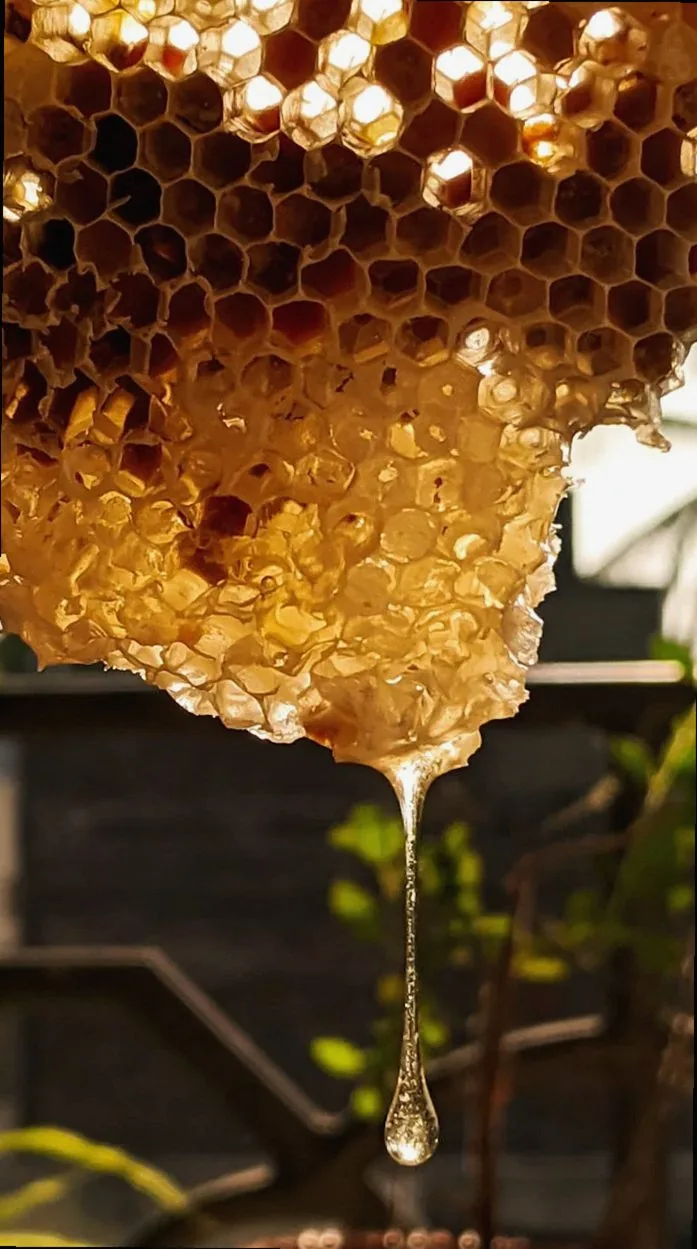
Kenji Murakami spent eight years as a food buyer for a regional supermarket chain before keeping his first two hives on a Matsumoto rooftop in 2014. He trained under Takahashi Noboru, a retired beekeeper in Azumino who had been working hives since the 1970s and had strong opinions about not rushing the extraction. Kenji left his buying job in autumn 2017 to run Swift Blend Gate full time. He plays old Ryuichi Sakamoto records in the packing room on Friday afternoons and is working, slowly, on a small guide to Nagano's flowering calendar for home beekeepers.
Yes, and that is completely normal. Raw honey crystallises because it is full of natural sugars and pollen. It has not gone off. To re-liquefy it, sit the jar in warm water (under 40°C, please) for twenty minutes. Do not microwave it. If you prefer honey that stays liquid longer, the Azumino Acacia is your best bet.
Not yet. International shipping for food products involves a lot of paperwork and we are a small operation. We are looking into it for 2027, starting with a few countries in East Asia. If you are outside Japan and interested, drop us an email and we will let you know when it becomes possible.
Spring honey tends to be lighter in colour and milder in flavour because the bees are foraging on blossoms. Late-summer honey, especially the soba flower and forest varieties, is darker and more intense because the forage is richer and the bees have been working longer. Both are good, just different.
We do occasional open-hive days at the Azumino site, usually in May and September. We announce them on our news page a few weeks in advance. We keep the groups small, around eight people, so it stays calm for the bees. Bring closed-toe shoes.
Honey does not really expire if stored properly. Keep it in a cool, dark cupboard with the lid on and it will be fine for years. We print the harvest date so you can track freshness, but we have jars from 2019 that still taste excellent.